
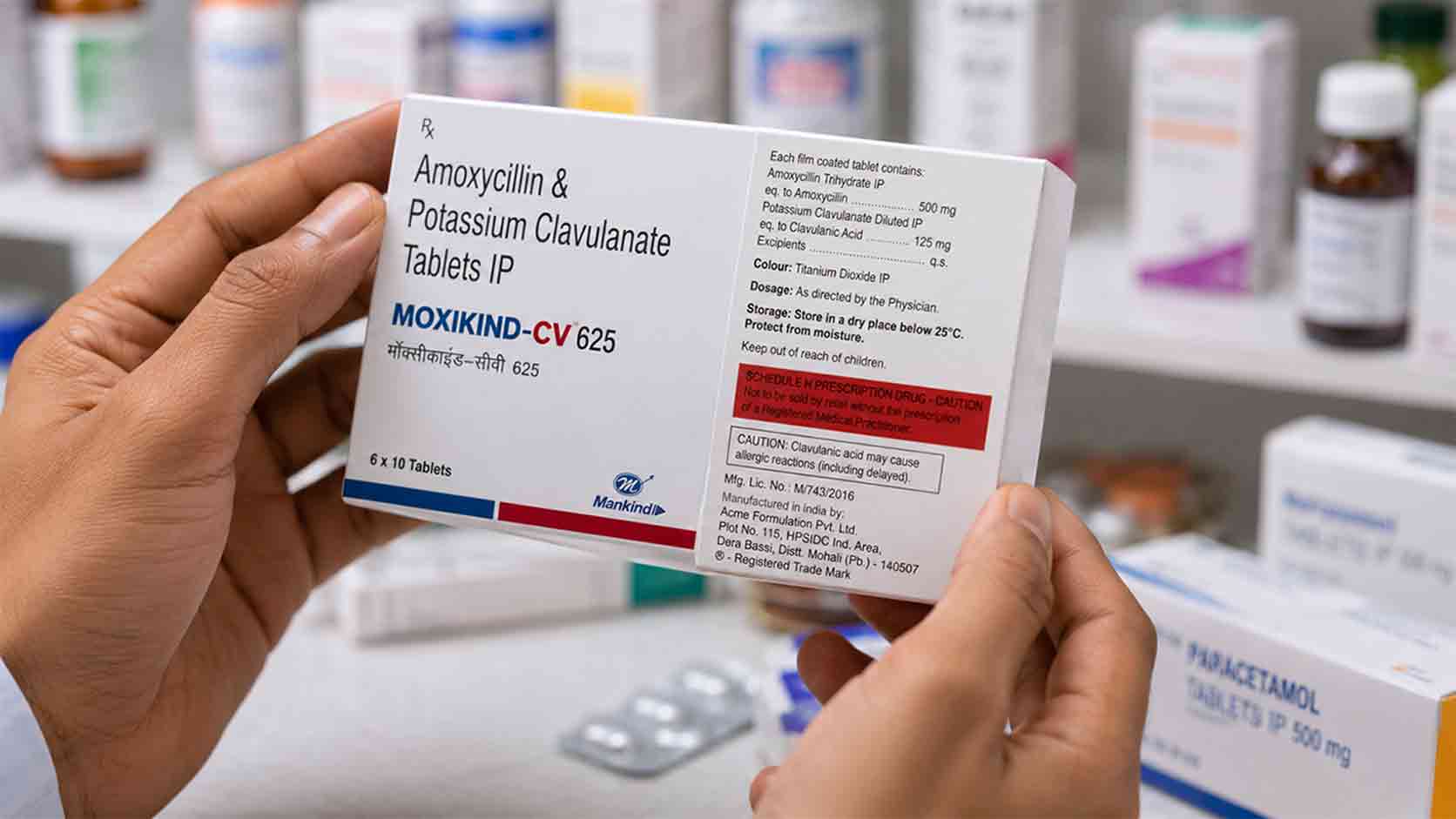
Whether you're taking a prescription medicine or buying an over-the-counter product, one simple habit can make a big difference: reading the medicine label carefully.
Many people only glance at the medicine name and dosage, but the label contains important information that helps you use the medicine safely and effectively.
Knowing what to look for can prevent mistakes, reduce the risk of side effects, and help you get the best possible results from your treatment.
1. Start with the Medicine Name
The first thing you'll notice on the label is the medicine's name. Some medicine labels display both the brand name and the generic name.
While the names may differ, the generic name identifies the actual active ingredient in the medicine. This is especially useful when you're taking multiple medications and want to avoid accidentally taking the same ingredient twice.
2. Check the Strength
Medicine labels mention the strength of the medicine, such as 500 mg, 250 mg, or 10 mL. The strength tells you how much of the active ingredient is present in each tablet, capsule, or dose.
Never assume that two medicines with the same name have the same strength. Different strengths are often available for different ages, conditions, and treatment requirements.
Always confirm the medicine name and strength before taking a dose, especially when using a newly purchased or refilled medicine.
3. Read the Dosage Instructions
The medicine label explains how much medicine to take, when to take it, and how often it should be taken.
Some medicines should be taken once a day, while others may need to be taken every few hours. Certain medicines may also need to be taken before food, after food, or at a particular time of day.
Following the dosage instructions exactly helps the medicine work properly and reduces the risk of overdose, missed doses, or unwanted side effects.
4. Look for Storage Instructions
Not all medicines should be stored in the same way. Some medicines require refrigeration, while others should be kept in a cool, dry place away from direct sunlight.
Proper storage helps protect the medicine from heat, moisture, and light. It also helps maintain the medicine's quality and effectiveness throughout its shelf life.
5. Don't Ignore the Warnings
Medicine labels often include important warnings and precautions. Common examples include:
- Take after food.
- May cause drowsiness.
- Do not consume alcohol while taking this medicine.
- Do not drive or operate machinery.
- Keep out of the reach of children.
These instructions are provided to protect your health and should never be overlooked. Ignoring a medicine warning may increase the risk of side effects or harmful interactions.
6. Check the Expiry Date
Always check the expiry date before using any medicine. Medicines can gradually lose their effectiveness over time, and expired products may no longer be suitable or safe to use.
If the expiry date has passed, do not use the medicine. Dispose of it safely according to the instructions provided by your pharmacist or local healthcare authority, and replace it with a new product when necessary.
Never use a medicine when its label is missing, damaged, unreadable, or no longer attached to the original container.
When in Doubt, Ask
If you find a medicine label confusing, don't guess. Your doctor or pharmacist can explain the instructions and answer any questions you may have.
Ask for clarification when you're uncertain about the dosage, timing, method of use, possible side effects, storage requirements, or whether the medicine can be taken with other medications.
A few minutes of clarification can help prevent unnecessary risks and give you greater confidence when using the medicine.
The Bottom Line
Reading a medicine label takes less than a minute, but it can make a lasting difference to your health.
By checking the medicine name, strength, dosage instructions, storage requirements, warnings, and expiry date, you can use medicines more safely and confidently.
The medicine label isn't just packaging. It's an essential guide designed to help you use the product correctly and get the most from your treatment.
Glossary: How to Read a Medicine Label Correctly
| Term | Meaning |
|---|---|
| Medicine Label | The printed information on a medicine package that explains how to use the medicine safely. |
| Brand Name | The commercial name given to a medicine by its manufacturer. |
| Generic Name | The scientific or official name of the medicine's active ingredient. |
| Active Ingredient | The substance in a medicine that produces the intended medical effect. |
| Strength | The amount of active ingredient present in each tablet, capsule, or dose. |
| Dosage | The amount of medicine to take and how often it should be taken. |
| Prescription Medicine | A medicine that can only be obtained with a doctor's prescription. |
| Over-the-Counter (OTC) Medicine | A medicine that can be purchased without a prescription. |
| Storage Instructions | Guidelines explaining how to store a medicine to maintain its quality and effectiveness. |
| Expiry Date | The last date on which the manufacturer guarantees the medicine's safety and effectiveness. |
| Side Effects | Unwanted or unexpected effects that may occur while taking a medicine. |
| Pharmacist | A qualified healthcare professional who prepares, dispenses, and advises on the safe use of medicines. |