
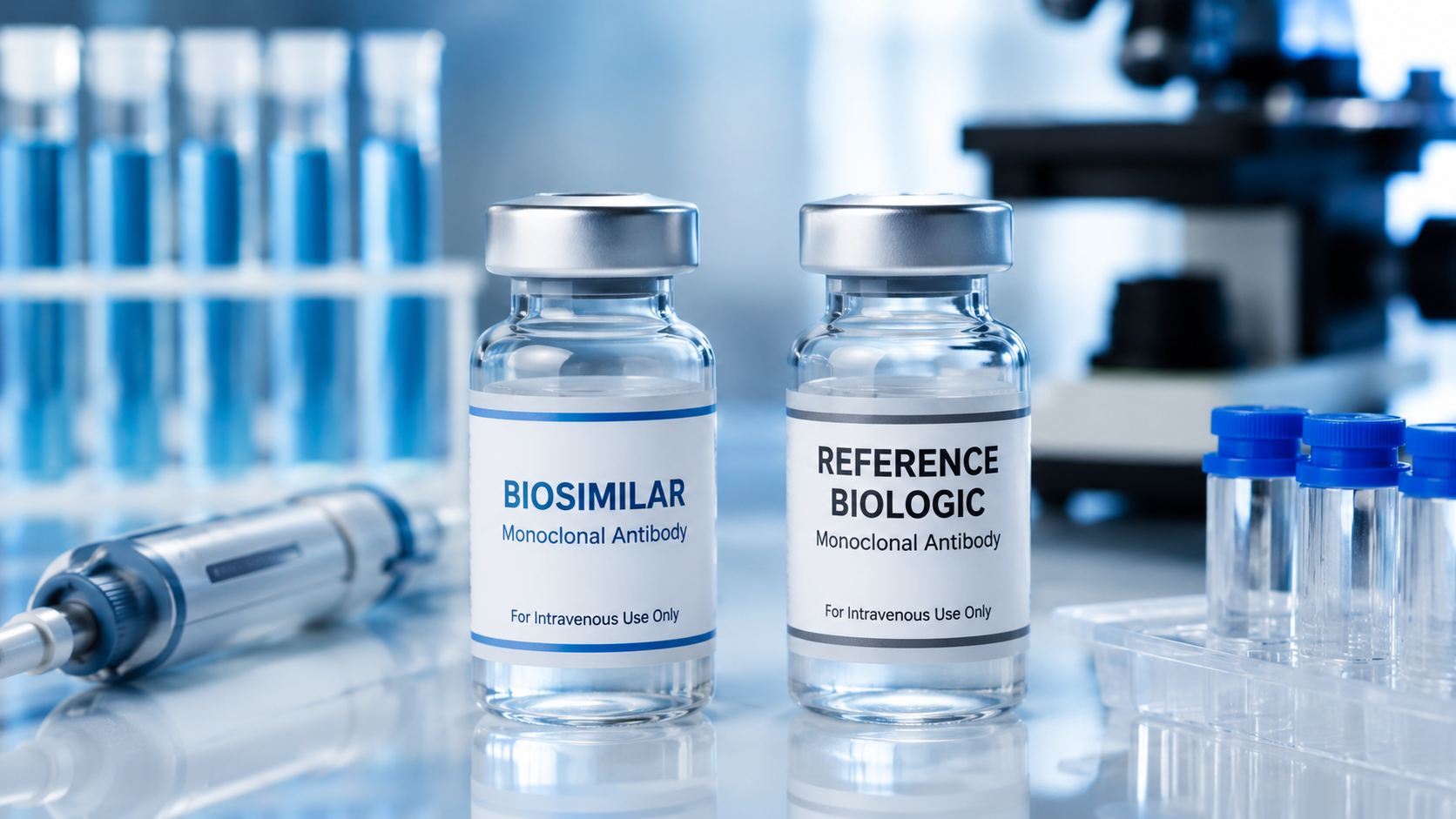
Modern medicine has transformed the way we treat complex diseases, and biologic medicines have played a huge role in that progress. They have helped millions of people manage conditions like cancer, diabetes, rheumatoid arthritis, and autoimmune disorders. However, these treatments are often expensive, making them difficult for many patients to access. This is where biosimilar drugs come in.
A biosimilar is a medicine that is highly similar to an already approved biologic medicine, often called the reference product. While biosimilars are not exact copies like generic medicines, they are designed to have the same safety, effectiveness, and quality as the original biologic. Patients can expect the same clinical benefits when prescribed a biosimilar by their healthcare provider.
How Are Biosimilar Drugs Developed?
Developing a biosimilar is a detailed and highly regulated process. Manufacturers begin by carefully studying the reference biologic to understand its structure, function, and performance. Using advanced biotechnology, they create a medicine that closely matches the original.
Before reaching patients, biosimilars undergo extensive laboratory testing, analytical comparisons, and clinical studies. These tests confirm that there are no meaningful differences in terms of safety, purity, or effectiveness. Regulatory authorities review all the data before granting approval, ensuring that only high-quality biosimilars enter the market.
Although developing a biosimilar takes less time than creating a brand-new biologic, it still requires years of research, advanced manufacturing techniques, and strict quality control.
Where Are Biosimilar Drugs Used?
Today, biosimilars are used to treat a wide range of medical conditions. They are commonly prescribed for cancers, rheumatoid arthritis, psoriasis, inflammatory bowel disease, diabetes, osteoporosis, and several other chronic illnesses.
By increasing treatment options, biosimilars help improve patient access to life-changing therapies. They also encourage healthy competition in the pharmaceutical market, which can reduce treatment costs and make advanced medicines more affordable for healthcare systems and patients alike.
Why Are Biosimilars Important?
As healthcare costs continue to rise, biosimilars are becoming an increasingly important part of modern medicine. They provide physicians with reliable alternatives to reference biologics without compromising on quality or patient outcomes.
It's important to remember that biosimilars are not generic medicines. Generic drugs are identical copies of small-molecule medicines, while biologics are produced from living cells and are naturally more complex. Because of this complexity, biosimilars are developed to be highly similar rather than identical.
Biosimilar drugs represent an important step toward making advanced healthcare more accessible.
They offer the same expected clinical benefits as their reference biologics while helping reduce costs and expand treatment availability. With rigorous testing, strict regulatory oversight, and growing acceptance worldwide, biosimilars are helping shape a future where more patients can receive the therapies they need without compromising on safety or effectiveness.
Glossary: What Are Biosimilar Drugs? Development & Applications
| Term | Meaning |
|---|---|
| Biosimilar Drug | A medicine that is highly similar to an already approved biologic medicine and provides the same expected clinical benefits. |
| Biologic Medicine | A medicine made from living cells or organisms using biotechnology to treat complex diseases. |
| Reference Product | The original approved biologic medicine that a biosimilar is compared against. |
| Generic Medicine | A medicine that contains the same active ingredient as a branded drug and works in the same way. |
| Biotechnology | The use of living cells and biological processes to develop medicines and other healthcare products. |
| Clinical Studies | Research involving people to evaluate the safety and effectiveness of a medicine. |
| Analytical Comparison | Detailed laboratory testing used to compare a biosimilar with its reference biologic. |
| Regulatory Authority | A government organization that reviews and approves medicines to ensure they are safe, effective, and of high quality. |
| Quality Control | The process of checking that medicines consistently meet required safety and quality standards. |
| Pharmaceutical Industry | The sector responsible for researching, developing, manufacturing, and distributing medicines. |
| Chronic Disease | A long-term health condition that usually requires ongoing treatment or management. |
| Autoimmune Disease | A condition in which the immune system mistakenly attacks the body's own healthy tissues. |
| Inflammatory Bowel Disease (IBD) | A group of chronic conditions, such as Crohn's disease and ulcerative colitis, that cause inflammation in the digestive tract. |
| Rheumatoid Arthritis | A chronic autoimmune disease that causes pain, swelling, and stiffness in the joints. |
| Psoriasis | A long-term skin condition that causes red, scaly patches due to rapid skin cell growth. |
| Osteoporosis | A condition that weakens bones, making them more likely to break. |
| Healthcare Provider | A qualified medical professional such as a doctor, nurse, or pharmacist. |
| Treatment Accessibility | The ability of patients to obtain the medicines and healthcare services they need. |