
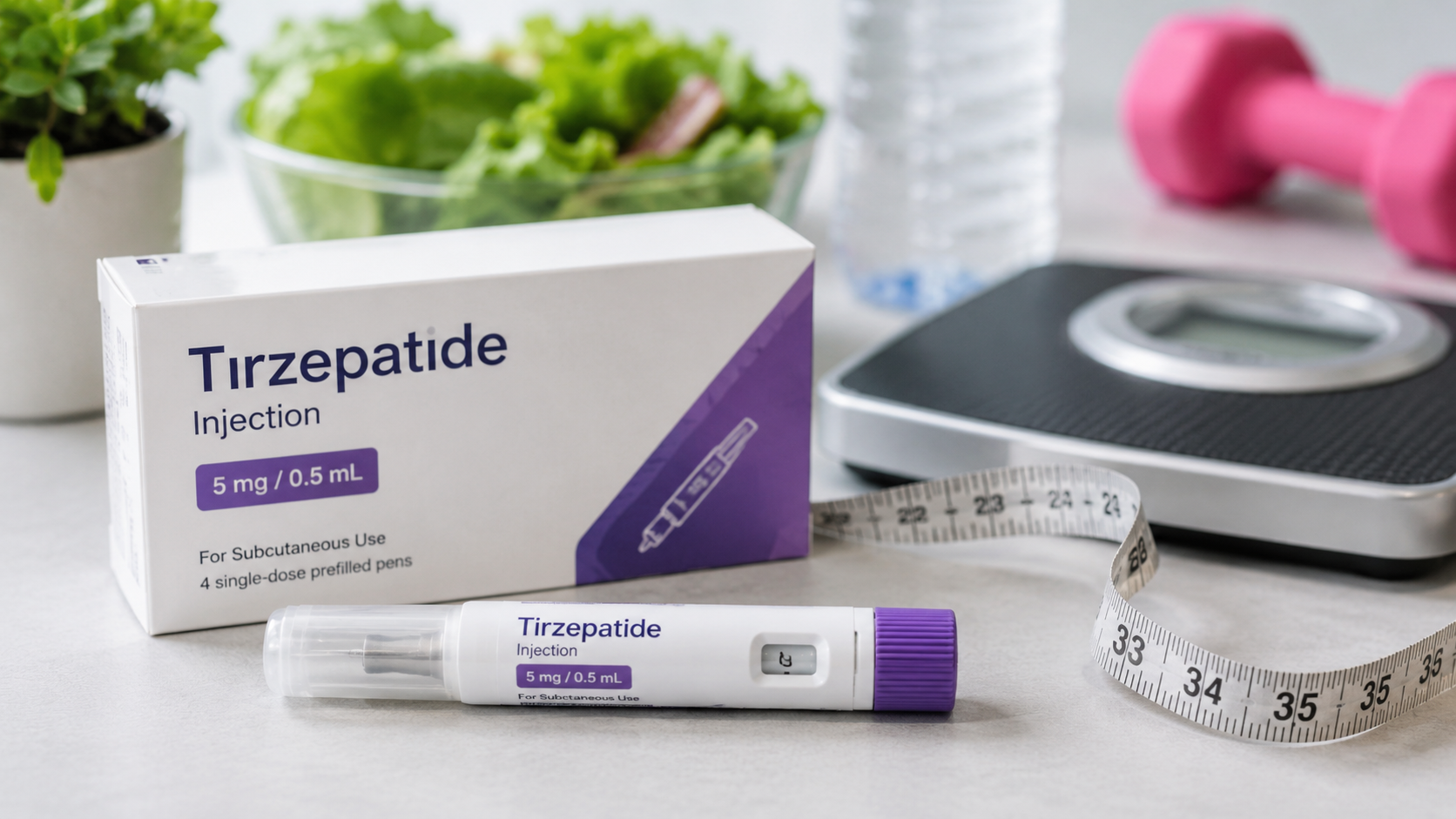
Over the past few years, weight management has become one of the biggest health concerns worldwide. While healthy eating and regular exercise remain the foundation of weight loss, some people need additional medical support to achieve lasting results. One medication that's been gaining attention is Tirzepatide.
But what exactly is it, and who is it meant for?
Tirzepatide is a prescription medicine that was originally developed to help manage Type 2 diabetes. During clinical studies, doctors noticed that many patients taking the medication also experienced significant weight loss. This led to further research, and today, Tirzepatide is also approved in many countries for chronic weight management in eligible adults.
The medicine works by mimicking two naturally occurring hormones in the body— GLP-1 (Glucagon-Like Peptide-1) and GIP (Glucose-Dependent Insulinotropic Polypeptide). These hormones help regulate blood sugar, slow down the movement of food from the stomach, and send signals to the brain that promote a feeling of fullness. As a result, people tend to eat less, feel satisfied for longer, and gradually lose weight over time.
Who Can Benefit from Tirzepatide?
Tirzepatide is generally prescribed for adults who are living with obesity or are overweight and have at least one weight-related health condition. These conditions may include high blood pressure, Type 2 diabetes, high cholesterol, or obstructive sleep apnea.
It is important to understand that Tirzepatide is not a quick fix or a replacement for healthy habits. The best results are seen when the medication is combined with a balanced diet, regular physical activity, and long-term lifestyle changes.
Key Indications of Tirzepatide
- Improving blood sugar control in adults with Type 2 diabetes.
- Supporting long-term weight management in adults with obesity.
- Helping overweight adults who have one or more weight-related medical conditions lose weight and maintain that weight loss.
- Reducing appetite and increasing feelings of fullness, making it easier to control calorie intake.
Things to Keep in Mind
Like all prescription medicines, Tirzepatide should only be used under the guidance of a qualified healthcare professional. It is not suitable for everyone, and your doctor will assess your medical history before deciding if it's the right treatment for you.
Some people may experience side effects such as nausea, vomiting, diarrhoea, constipation, or stomach discomfort, particularly when starting treatment. These symptoms are usually mild to moderate and often improve as the body adjusts to the medication.
Tirzepatide represents an exciting advancement in the treatment of obesity and Type 2 diabetes.
By helping control appetite, improve blood sugar levels, and support meaningful weight loss, it offers new hope for people who have struggled to achieve results through lifestyle changes alone. However, like any medical treatment, it works best as part of a comprehensive health plan guided by your healthcare provider.
Glossary: Tirzepatide for Weight Loss
| Term | Meaning |
|---|---|
| Tirzepatide | A prescription medicine used to help manage Type 2 diabetes and support weight loss in eligible adults. |
| Type 2 Diabetes | A long-term condition in which the body cannot properly use insulin, leading to high blood sugar levels. |
| Weight Management | The process of achieving and maintaining a healthy body weight through lifestyle changes and, when needed, medical treatment. |
| GLP-1 (Glucagon-Like Peptide-1) | A natural hormone that helps control blood sugar, slows digestion, and reduces appetite. |
| GIP (Glucose-Dependent Insulinotropic Polypeptide) | A natural hormone that helps regulate blood sugar and works with GLP-1 to improve metabolism. |
| Blood Sugar | The amount of glucose (sugar) present in the bloodstream. |
| Obesity | A medical condition in which excess body fat increases the risk of health problems. |
| Overweight | A condition where a person's body weight is higher than what is considered healthy for their height. |
| Chronic Weight Management | Long-term treatment and lifestyle strategies to lose weight and maintain a healthy weight. |
| Appetite | The natural desire to eat food. |
| Prescription Medicine | A medicine that can only be used with a doctor's prescription. |
| Healthcare Professional | A qualified medical expert such as a doctor, nurse, or pharmacist. |
| Side Effects | Unwanted or unexpected effects that may occur while taking a medicine. |
| Clinical Studies | Research involving people that evaluates the safety and effectiveness of a medicine. |
| Lifestyle Changes | Healthy habits such as balanced eating, regular exercise, good sleep, and stress management that improve overall health. |